Effective construction dumpster rental involves selecting the appropriate container size to manage project waste while strictly adhering to California debris diversion mandates. Professional services ensure legal compliance and job site safety by properly sorting materials and following local permitting rules for roll-off bins.
Managing a job site involves more than just keeping the schedule on track; it requires mastering the logistical chaos of debris removal. Between the limited staging areas in Vallejo and the strict reporting requirements of CALGreen, an inefficient waste management plan can quickly lead to project delays or unexpected permit penalties. At SiteShield Fencing & Site Services, we understand that a dumpster is not just a container; it is a critical component of your site’s operational flow. This guide provides the practical expertise you need to navigate the complexities of construction dumpster rentals in California. You will learn how to align your waste strategy with state debris diversion laws, select the optimal bin size for various material weights, and implement strategic placement techniques to maximize safety. By the end, you will have a clear roadmap for maintaining a compliant, cost-effective, and organized project site from start to finish.
The Role of Construction Dumpster Rental in Modern Job Site Management
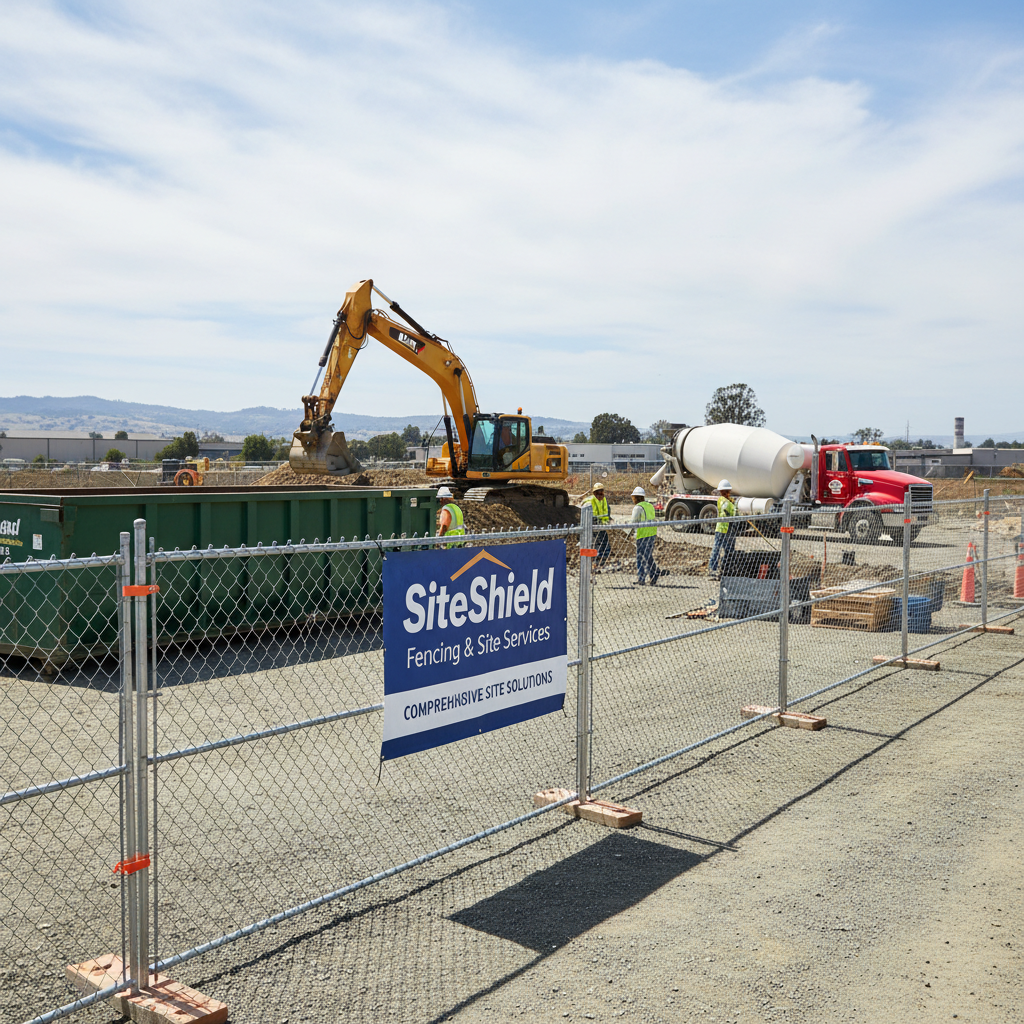
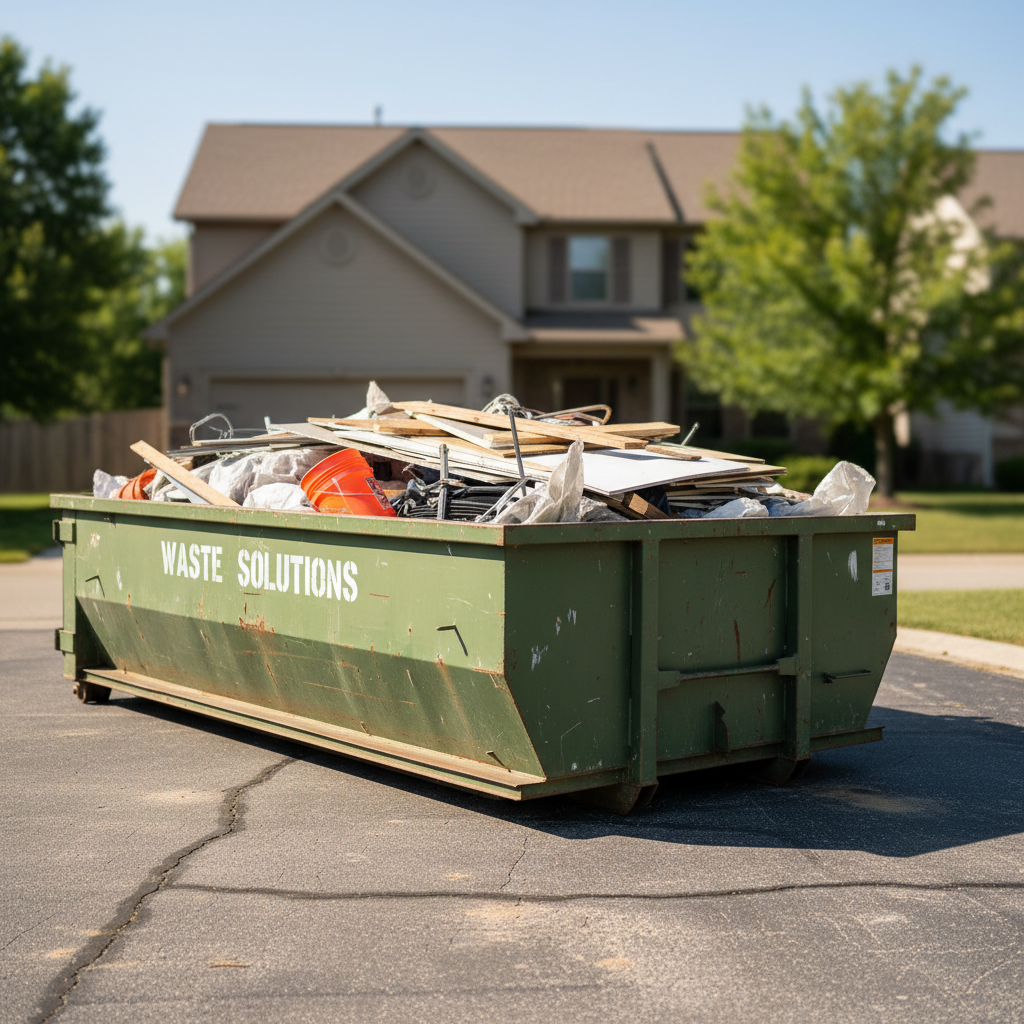
Professional construction dumpster rental serves as the operational anchor for any organized job site. Unlike standard residential cleanouts that typically involve small loads of household goods, contractor grade roll off services are designed to handle the heavy, high volume waste generated by demolition and new construction. These containers provide a dedicated, central point for the disposal of wood, drywall, roofing, and concrete, ensuring that debris does not accumulate in active workspaces or walkways.
For projects in Vallejo and throughout the North Bay, a properly managed dumpster is the primary tool for maintaining an OSHA compliant site. Scattered debris is a leading cause of job site injuries, including slips, trips, and punctures from discarded nails or jagged metal. By consolidating waste into a heavy duty roll off bin, contractors minimize these hazards and significantly improve the speed at which their teams can work. Efficiency depends on a clear site; when laborers do not have to navigate around piles of rubble, productivity remains high from initial framing through final cleanup.
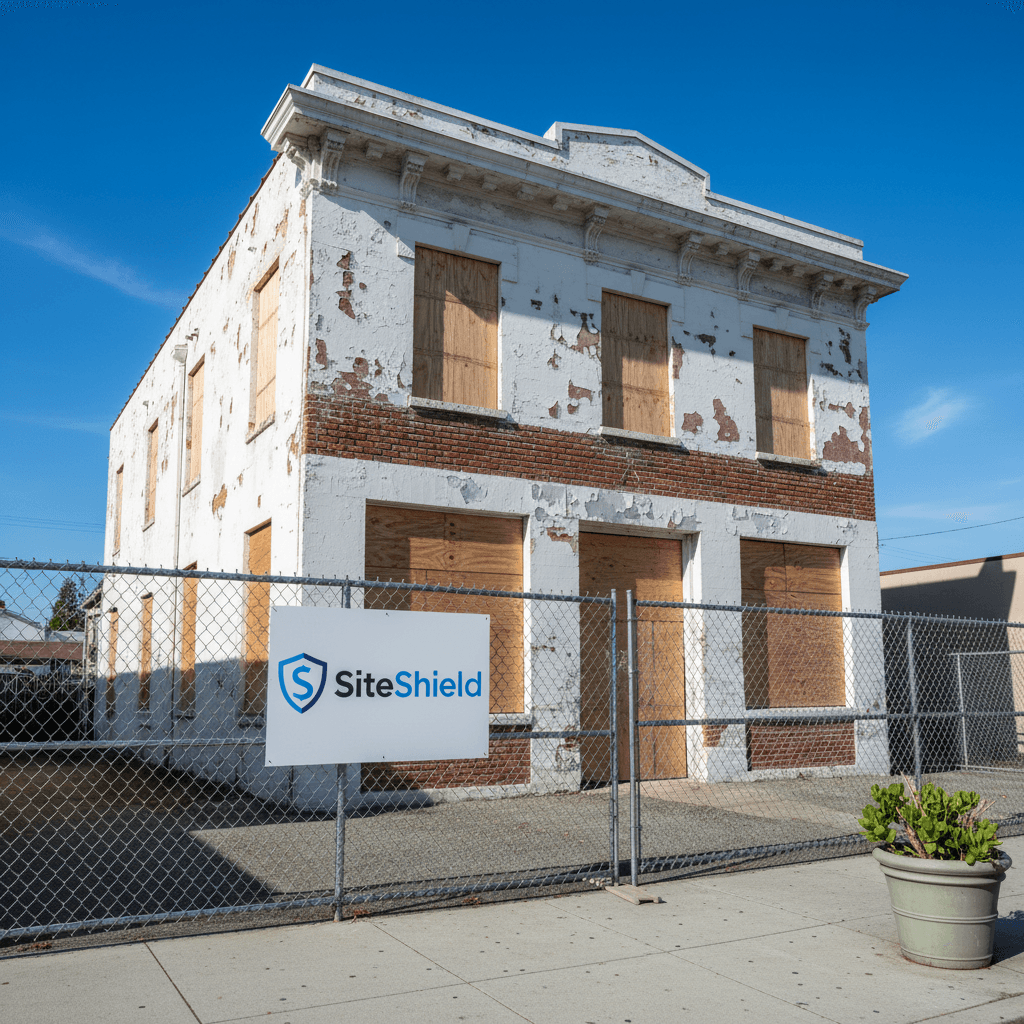
Comprehensive site solutions require an integrated approach to security and organization. A dumpster works in tandem with temporary fencing to maintain a professional and safe environment. While the fencing prevents unauthorized access and keeps the public away from hazards, the dumpster ensures that those hazards are contained and ready for legal disposal. Integrating these services early in the planning phase ensures that your project meets local standards for cleanliness and safety while preparing the ground for more complex requirements like debris diversion and permit compliance.
Understanding California Debris Diversion Laws and CALGreen Requirements

Navigating the regulatory landscape in Vallejo requires more than just a place to throw debris. Under the California Green Building Standards Code, known as CALGreen, contractors are legally required to divert at least 65 percent of nonhazardous construction and demolition debris away from landfills. This mandate applies to nearly all new construction, additions, and certain alterations. Failure to meet these thresholds can result in stalled inspections or significant fines; therefore, strategic waste management is a core component of project planning from day one.
In Solano County, the process begins before the first shovel hits the dirt. Local building departments typically require a Waste Management Plan (WMP) as a condition for issuing permits. This document outlines how the project will handle various materials and identifies which facilities will receive the waste. A successful WMP often relies on choosing the correct strategy for your construction dumpster rental. Contractors must decide between commingled recycling and source separated loads based on the project scope and available space.
Commingled loads allow for various materials like wood, metal, and drywall to be placed in a single container for later sorting at a specialized facility. While convenient for crews with limited space, this method requires using a certified processor that can provide accurate diversion reports for your final submittal. Source separation involves using dedicated containers for specific materials, such as a bin exclusively for clean concrete, masonry, or untreated wood. This method often results in higher diversion rates and lower tip fees, making it an attractive option for large scale demolition projects or heavy material removal.
SiteShield supports these compliance goals by providing reliable containers that allow for precise sorting on site. By offering the necessary infrastructure for both commingled and separated waste, we help contractors maintain clean records for their final CALGreen submittals. Integrated site solutions play a vital role in this process. For instance, clearly marked bins placed inside a secured perimeter of temporary fencing help prevent the cross contamination of materials. If an unauthorized party dumps household trash into a container dedicated to recyclable wood, the entire load may be rejected by the processing facility as contaminated, potentially jeopardizing your 65 percent diversion target and your permit status.
Choosing the Right Construction Dumpster Size for Your Project
Selecting the correct container capacity is as much about weight management as it is about volume. For a construction dumpster rental to be efficient, it must accommodate the physical footprint of the debris without exceeding the legal weight limits of the haul truck. Overloading a bin with heavy materials like concrete or dirt can lead to safety hazards during pickup or costly trip fees if the driver cannot legally transport the load.
Container Size | Approximate Dimensions | Ideal Material Types |
|---|---|---|
10 Yard | 12ft L x 8ft W x 3.5ft H | Concrete, dirt, asphalt, brick, sand |
20 Yard | 22ft L x 8ft W x 4.5ft H | Roofing shingles, flooring, small remodels |
30 Yard | 22ft L x 8ft W x 6ft H | Major renovations, siding, large tree debris |
40 Yard | 22ft L x 8ft W x 8ft H | Commercial construction, insulation, light wood |
The 10 yard container, often referred to as a lowboy, is specifically designed for inert, heavy materials. Because concrete and soil are extremely dense, a larger bin filled with these materials would quickly exceed the legal weight limits of most roll off trucks. Conversely, the 30 yard dumpster is the standard workhorse for North Bay contractors. At roughly 22 feet long, it offers a balance of high volume and a manageable height for crews loading material over the side. It is particularly well suited for whole home siding replacements or extensive interior gutting where debris is varied but not excessively heavy.
For large scale commercial builds, the 40 yard container provides the necessary capacity for bulky, lightweight items such as wood scraps, cardboard, and insulation. When planning your layout for these larger bins, ensure the footprint accommodates both the container and the swing radius of the rear door. Proper sizing is a core part of effective site solutions; integrating this choice with your temporary fencing layout ensures that even the largest bins remain accessible to your team while staying secured from public interference. If you have questions about which size fits your specific Vallejo project, contact SiteShield Fencing & Site Services for expert guidance.
Accepted Materials and Prohibited Hazardous Waste in California
Selecting the correct container size ensures you have the volume needed, but the actual contents determine whether your load is processed efficiently or flagged for expensive violations. For a standard construction dumpster rental, most non-hazardous materials are acceptable for disposal or recycling. This includes dimensional lumber, drywall, vinyl or wood siding, roofing shingles, masonry, and scrap metal. When aiming for high diversion rates, keep these materials as clean as possible to facilitate easier processing at the facility.
California strictly regulates hazardous waste, and these items must never enter a standard roll off container. Prohibited materials include:
Asbestos containing materials
Lead based paint and treated wood waste
Batteries and electronic waste (e-waste)
Fluorescent tubes and mercury thermostats
Paints, solvents, oils, and liquid chemicals
Mixing these prohibited items or general trash into a recycling bin results in contamination. When a processing facility identifies contaminants in a source separated load, the entire container is often reclassified as municipal solid waste. This triggers significantly higher sorting fees and can jeopardize your debris diversion percentages for CALGreen compliance. To prevent these costs, contact SiteShield Fencing & Site Services to discuss integrated site solutions. Implementing clear, bilingual signage on every bin and using temporary fencing to secure the perimeter prevents both accidental crew errors and illegal dumping by passersby, ensuring your waste stream remains compliant and your budget stays intact.
Strategic Placement and Logistics in Vallejo and Solano County
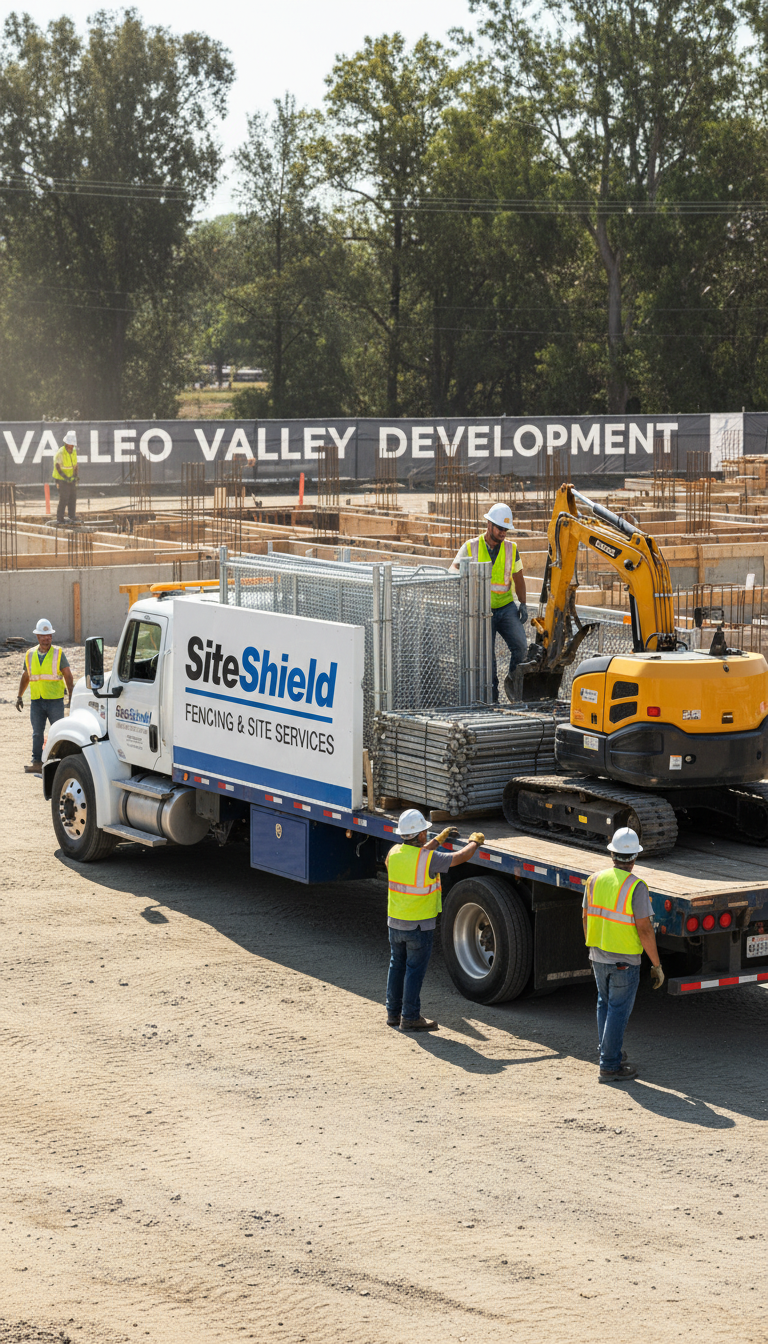
Properly navigating the physical footprint of your site is the next step after identifying your waste streams. In Vallejo and surrounding Solano County, placing a construction dumpster rental on a public street or sidewalk requires specific encroachment permits. Local municipalities have strict rules regarding the public right of way to ensure pedestrian safety and traffic flow. If your project lacks sufficient space on private property, coordinating these logistics early ensures compliance with local ordinances before the truck arrives.
The delivery area must be a level, stable surface capable of supporting both the heavy roll off truck and the fully loaded container. Setting a bin on a steep incline or soft, uncompacted soil creates significant safety risks during the loading and unloading process. Furthermore, logistics planning must account for vertical space. You need at least 22 feet of overhead clearance to avoid damaging power lines, telecommunications cables, or low hanging tree branches when the truck hoists the bin into the air.
Effective site solutions involve more than just dropping off a container. You must also consider the approach path; the truck requires approximately 60 feet of straight line space to safely maneuver and place the bin. By coordinating your temporary fencing layout with the dumpster placement, you ensure the gates are wide enough for service vehicles while keeping the rest of the site secure. For a detailed site assessment and logistics planning, contact SiteShield Fencing & Site Services to discuss your specific project requirements.
Avoiding Overage Fees and Maximizing Efficiency
Predictable costs depend on understanding the difference between volume and weight. While a construction dumpster rental is sized in cubic yards, its price often includes a specific weight allowance measured in tons. For instance, a 30 yard container might have a four ton limit. Exceeding this threshold results in prorated overage charges at the landfill, which can quickly erode a project's profit margin. To stay within budget, monitor the density of your waste; heavy debris like asphalt shingles or sod should be distributed across multiple containers or placed in specialized lowboys to prevent surprise costs.
Efficiency Factor | Description | Potential Cost Impact |
|---|---|---|
Weight Limit | The maximum tonnage allowed before overage fees apply. | High ($75+ per extra ton) |
Level Loading | Keeping debris below the top rim for safe tarping. | Moderate (Dry run fees) |
Contamination | Mixing trash into recycling or hazardous waste into bins. | Very High (Sorting/Hazard fees) |
Illegal Dumping | Unauthorized waste added by third parties. | Variable (Weight and volume) |
Maintaining a level load is equally critical for operational efficiency. California law requires roll off drivers to tarp their loads before entering public roadways to prevent debris from flying out. If waste is piled higher than the rim of the bin, the driver cannot safely secure the tarp and may refuse the pickup, triggering a dry run fee. Instruct your crew to break down bulky items and distribute weight evenly, ensuring nothing protrudes above the top rail.
Site security is often the most overlooked factor in controlling waste costs. Unauthorized dumping by neighbors or passersby is a frequent cause of unexpected overages in Vallejo urban areas. An unsecured bin acts as a magnet for household mattresses, tires, or hazardous waste, all of which you will be billed for. Integrating temporary fencing into your site solutions creates a physical barrier that discourages illegal disposal. By locking the site after hours, you ensure that you only pay for the debris your project actually generates. For assistance with planning your site layout and waste strategy, contact SiteShield Fencing & Site Services today.
Navigating California's debris diversion regulations while managing a busy construction site can be a complex balancing act. Ensuring your project stays compliant requires careful planning and the right disposal strategy. If you want expert help streamlining this process, our team is ready to support your next project with reliable solutions. You can explore our full range of services to see how we can assist with waste management and site logistics. Let us handle the details so you can focus on building.