
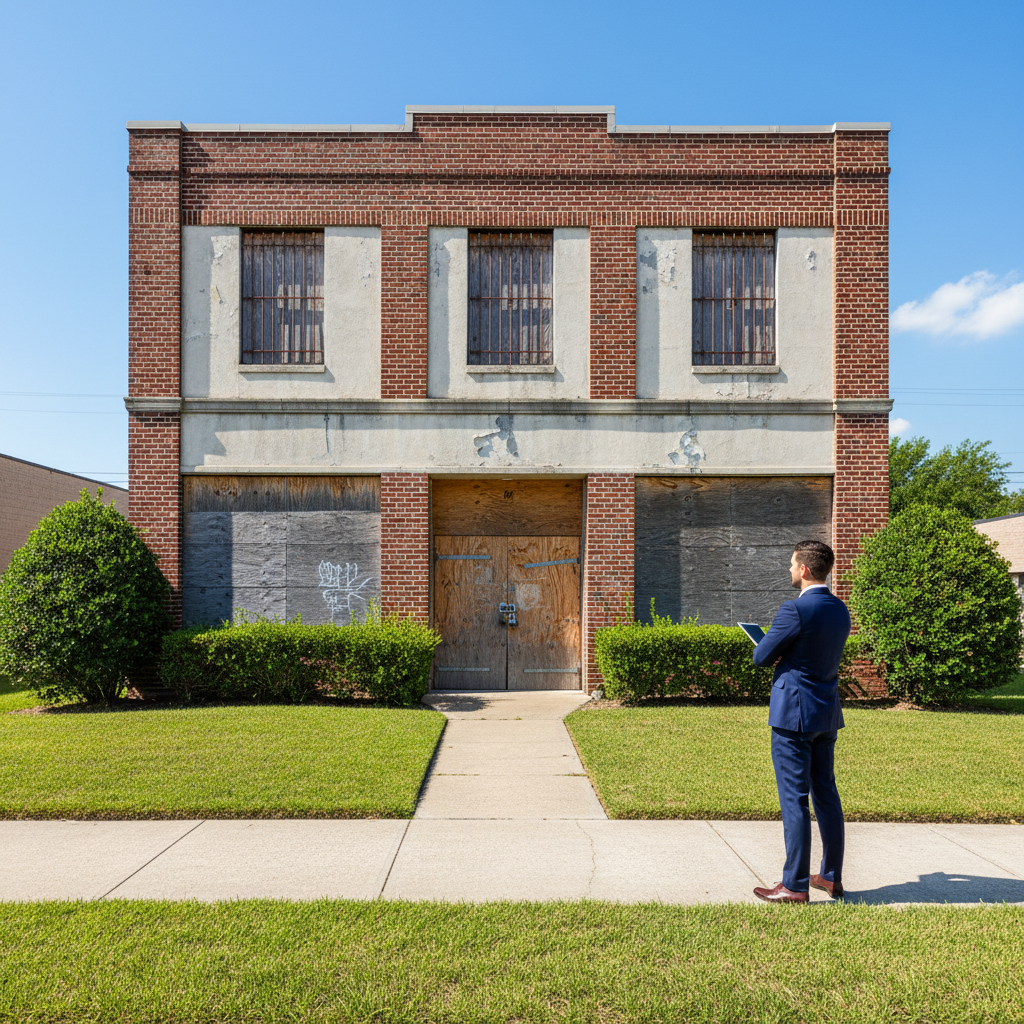
Job site security cameras offer superior protection for vacant properties by providing active surveillance and real-time alerts that traditional fencing lacks. While fences create a physical barrier, cameras document criminal activity and deter potential intruders through constant monitoring. Using both methods together creates a layered defense strategy that effectively prevents theft and unauthorized access.
For developers and property owners in the Bay Area, a vacant lot is more than just an asset; it is a persistent liability that attracts unwanted attention from trespassers and vandals. While many rely solely on traditional barriers, the limitations of a physical perimeter become clear the moment someone decides to climb over it. Securing these high stakes environments requires a proactive approach that balances physical deterrence with high definition visibility. In this guide, we evaluate the distinct roles of temporary fencing and job site security cameras in a comprehensive site protection plan. You will discover the specific vulnerabilities of empty properties, the long term ROI of different security investments, and why combining physical gates with 24/7 digital monitoring creates the gold standard for site safety. By the end, you will know exactly how to harden your perimeter against any threat.
The Vulnerability of Vacant Properties in the Bay Area
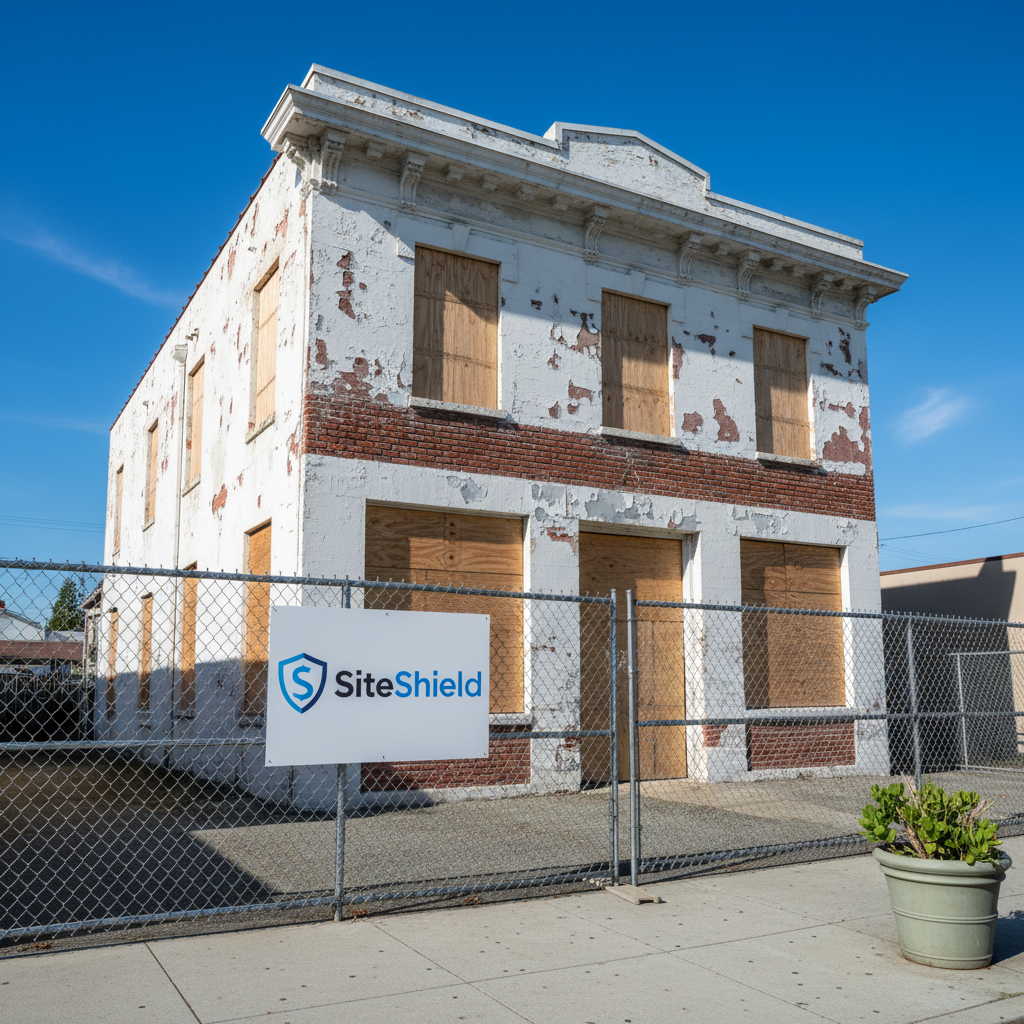
In Vallejo and the surrounding North Bay, an unattended property is rarely truly alone. Vacant lots, active construction sites, and abandoned buildings act as magnets for a variety of liabilities, including high value equipment theft, graffiti, and unauthorized occupation. Property owners in our region deal with a specific set of challenges where a lack of oversight can lead to tens of thousands of dollars in losses overnight. Projects in the Bay Area are particularly susceptible to organized theft rings that target copper, specialized tools, and machinery.
Effective protection requires a clear distinction between passive and active security measures. Passive security, primarily temporary fencing, provides a physical perimeter designed to deter casual trespassers and establish clear legal boundaries for prosecution. Active security involve security camera installation to provide real time oversight and digital evidence.
Many contractors and property owners treat this as an "either or" decision, often due to a misunderstanding of how these tools function in a real world scenario. While a fence marks a perimeter, it cannot report a breach as it happens. Conversely, job site security cameras provide excellent documentation, but they do nothing to physically slow down a determined intruder. Real world security is not about picking a single winner; it is about recognizing the specific vulnerabilities of a site and deploying the right combination of physical and digital layers.
Temporary Fencing: The First Line of Physical Defense
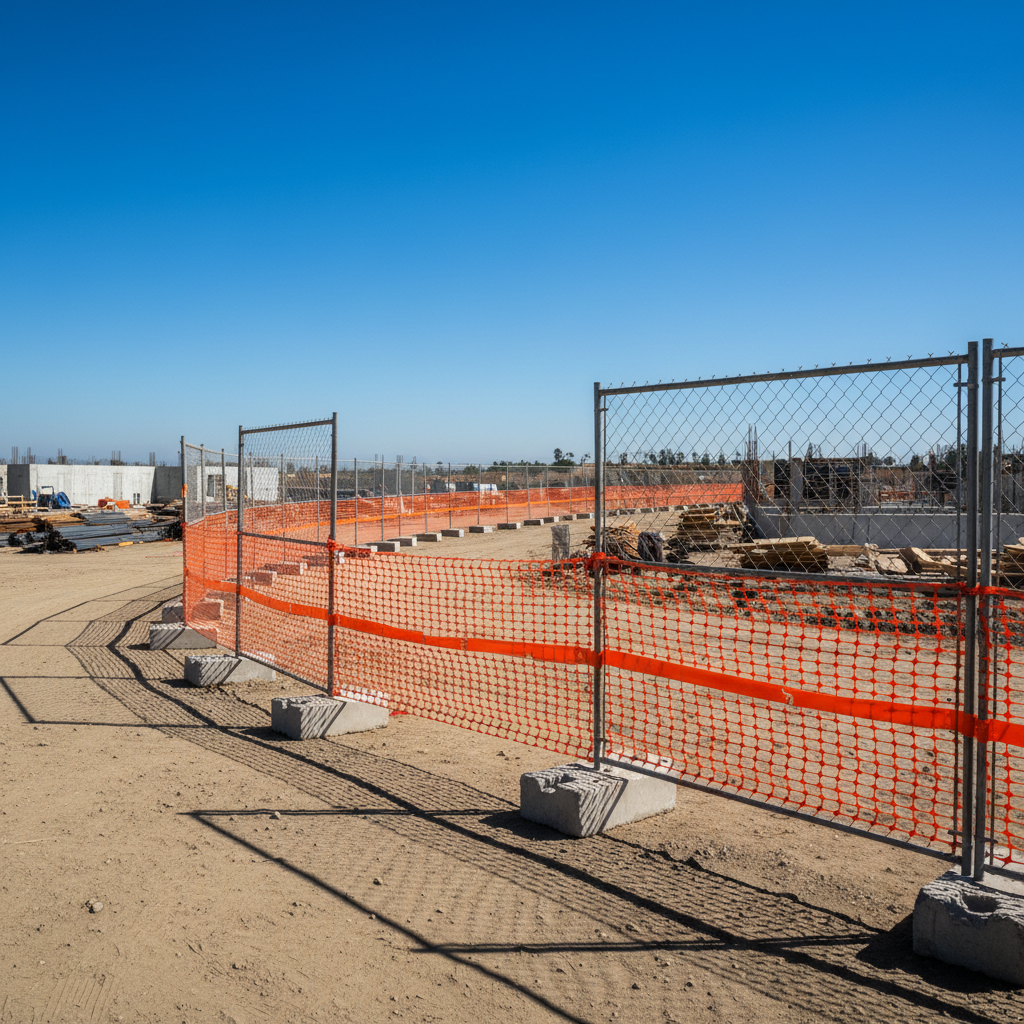
A perimeter fence is the most immediate way to communicate that a property is off limits. It shifts the line of contact from a building's entrance to the very edge of the property line, creating a powerful psychological barrier for anyone passing by. This physical boundary is a critical component for legal enforcement. In the North Bay, law enforcement officials are often limited in their ability to remove intruders if the property is not clearly demarcated and secured. By installing temporary fencing, you establish a clear legal boundary that makes the act of trespassing undeniable, facilitating easier intervention by local authorities.
SiteShield provides several configurations tailored to the specific needs of a site. Standard chain link panels are effective for general boundary marking, but high risk areas often require these panels to be reinforced with concrete barriers. This prevents the fencing from being easily pushed over, dragged, or bypassed at ground level. In Vallejo, the diverse terrain and the frequent high winds coming off the water mean that flimsy, DIY fencing solutions often fail or become a liability. We focus on professionally installed, weighted systems that remain upright even during seasonal storms, ensuring that your perimeter remains intact and professional in appearance.
Fencing is a highly effective preventative measure against casual intruders, such as curious pedestrians or opportunistic scavengers looking for unsecured scrap. However, it is important to acknowledge its limitations. A fence is a delay tactic rather than an absolute stop. A determined thief with bolt cutters or a vehicle can breach a panel to target high value assets like excavators or copper wiring. While the fence handles the physical deterrence and stops the majority of foot traffic, it cannot alert you to a breach as it happens. This is why the physical layer is best paired with security camera installation to provide the oversight that a static barrier lacks. Integrating job site security cameras allows you to see exactly what is happening at the fence line in real time.
Job Site Security Cameras: The Eye That Never Blinks
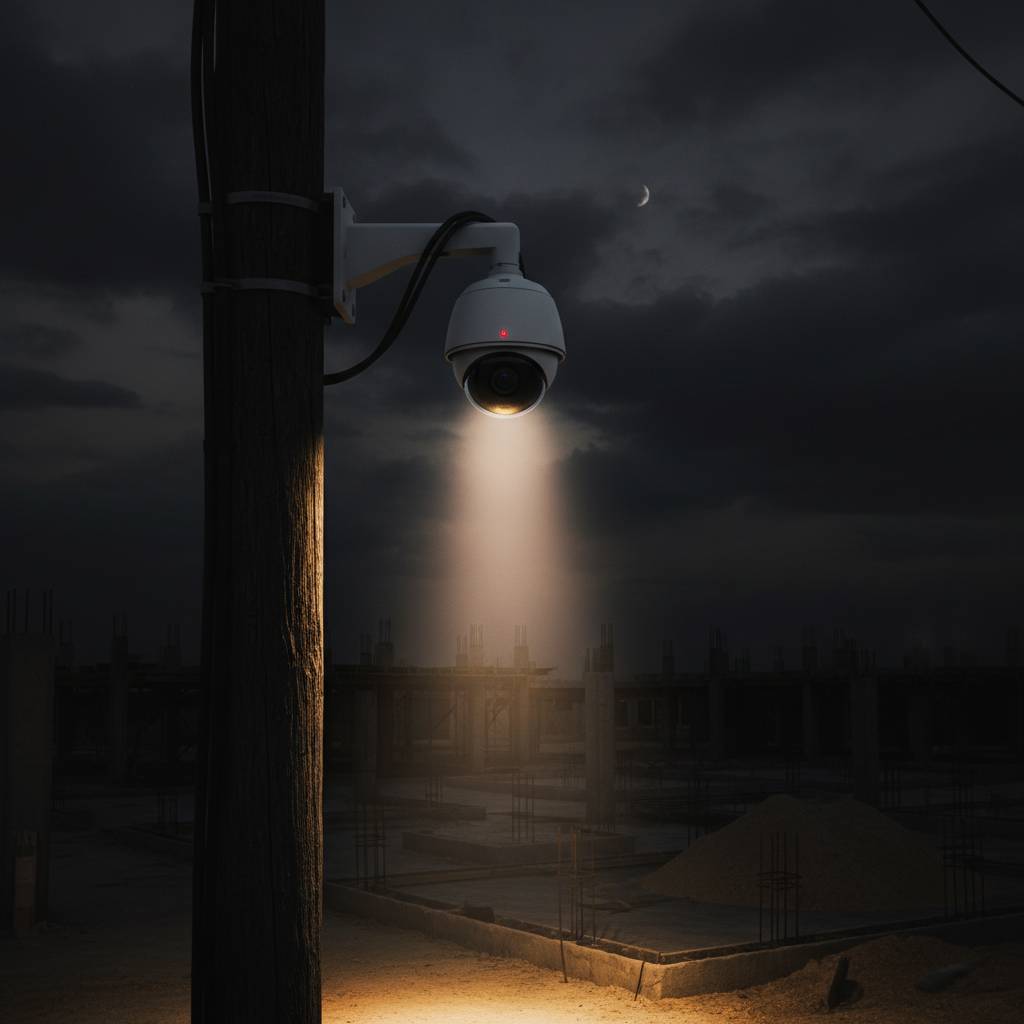
While a fence acts as the muscle of your security strategy, security camera installation provides the necessary intelligence. Modern job site security cameras act as a force multiplier, giving property owners a level of oversight that was once reserved for high budget commercial builds. The primary technical advantage is the ability to maintain a constant presence on-site without being physically there. Through high definition recording and remote monitoring via smartphone apps, a contractor in Vallejo can verify the status of their excavators or material stockpiles from any location with a data connection.
It is vital to distinguish between what a camera does and what it does not do. A common misconception is that cameras are a physical preventative measure. In reality, their primary role is documentation and notification. If a breach occurs at the temporary fencing line, the camera is the mechanism that triggers a real time motion alert. This notification allows for an immediate response or a call to local law enforcement while the event is still in progress. This speed of notification is what often leads to an arrest; a fence alone might only reveal a theft the following morning when the crew arrives for work.
The vantage point provided by these systems offers a perspective that a static perimeter fence cannot match. When mounted on utility poles or elevated temporary structures, job site security cameras provide a comprehensive bird's eye view of the entire lot. This perspective allows owners to track movement deep within the property, identifying threats that have already bypassed the perimeter or are attempting to hide behind stored equipment or containers.
Beyond the raw data, there is a significant psychological deterrent at play. Professional criminals are increasingly aware of cloud based storage. They understand that destroying a camera or stealing a local recording device no longer wipes the evidence. Knowing that their faces and actions are being transmitted instantly to a secure remote server often forces them to bypass a secured site in favor of an easier, unmonitored target. This layer of digital accountability transforms the property from a dark, private lot into a high risk environment for intruders.
Comparing Costs and Long Term ROI for Site Security
Evaluating the financial commitment of site security requires looking past the monthly rental invoice to the potential recovery of assets. Temporary fencing typically carries a higher upfront physical presence and installation labor cost, but it functions as a set and forget asset. It requires no power grid connection, no data plan, and zero maintenance once the panels are anchored and weighted. This makes it an incredibly cost effective solution for long term projects where daily monitoring might not be the primary concern.
In contrast, security camera installation involves recurring costs for data transmission and power management, whether through hardwired lines or solar arrays. However, the return on investment for job site security cameras is often realized during an insurance claim. A fence cannot testify to how an incident occurred. High definition footage can provide the definitive proof required by providers to pay out on a claim, potentially saving a company hundreds of thousands of dollars in replacement costs or legal fees.
Feature | Temporary Fencing | Security Cameras |
|---|---|---|
Power Requirements | None | Solar or AC Power |
Active Monitoring | No | Yes (Remote) |
Maintenance | Low (Physical check) | Moderate (Data/Power) |
Insurance Evidence | Minimal | High (Video proof) |
The cost of inaction for Vallejo contractors is often the most expensive line item on a project. Losing a single piece of heavy equipment, such as one of our excavators, represents a loss that far exceeds the annual rental cost of a combined security package. Furthermore, the liability associated with an injured trespasser on an unsecured lot can bankrupt a small firm. For high value sites, the highest ROI is achieved by bundling these services. Protecting the perimeter with a fence while monitoring the interior with cameras creates a redundant system that minimizes the risk of both equipment loss and litigation.
Why a Hybrid Security Strategy is the Gold Standard
Viewing security as a choice between physical barriers and digital surveillance is a strategic error that leaves properties vulnerable. The "vs." in the debate is a false choice. In practice, the most resilient sites in Vallejo utilize a multi-layered defense where each component compensates for the other's inherent weaknesses. At SiteShield Fencing & Site Services, we advocate for a hybrid model because it transforms a passive site into an active, responsive environment.
The synergy between these tools relies on the concept of time. A standard installation of temporary fencing serves as a physical speed bump. Even a determined intruder needs time to scale a panel or cut through chain link. This delay is precisely what makes job site security cameras effective. Without the fence, an intruder can reach high-value assets like excavators in seconds, often before a remote owner can even open a notification. With the fence in place, the intruder is forced to struggle at the perimeter, providing the camera system with ample time to trigger motion alerts and for authorities to be dispatched while the suspect is still outside or just entering the property line.
This integrated approach is the specialty of SiteShield. We provide the physical muscle to keep unauthorized individuals out and the technical oversight to document every attempt to get in. For commercial projects, this dual-layered protection often satisfies the most stringent requirements of insurance carriers. Many underwriters offer reduced premiums for sites that demonstrate a "defense in depth" strategy, recognizing that the combination of physical hurdles and verifiable digital evidence significantly reduces the likelihood of a total loss. By implementing both, you are not just buying equipment; you are purchasing a response window that a single-layered system simply cannot provide. This hybrid strategy ensures that job site security cameras are not just recording a crime in progress, but are instead part of a proactive system designed to stop it. Security camera installation paired with a robust fence line remains the most reliable way to maintain project continuity in the North Bay.