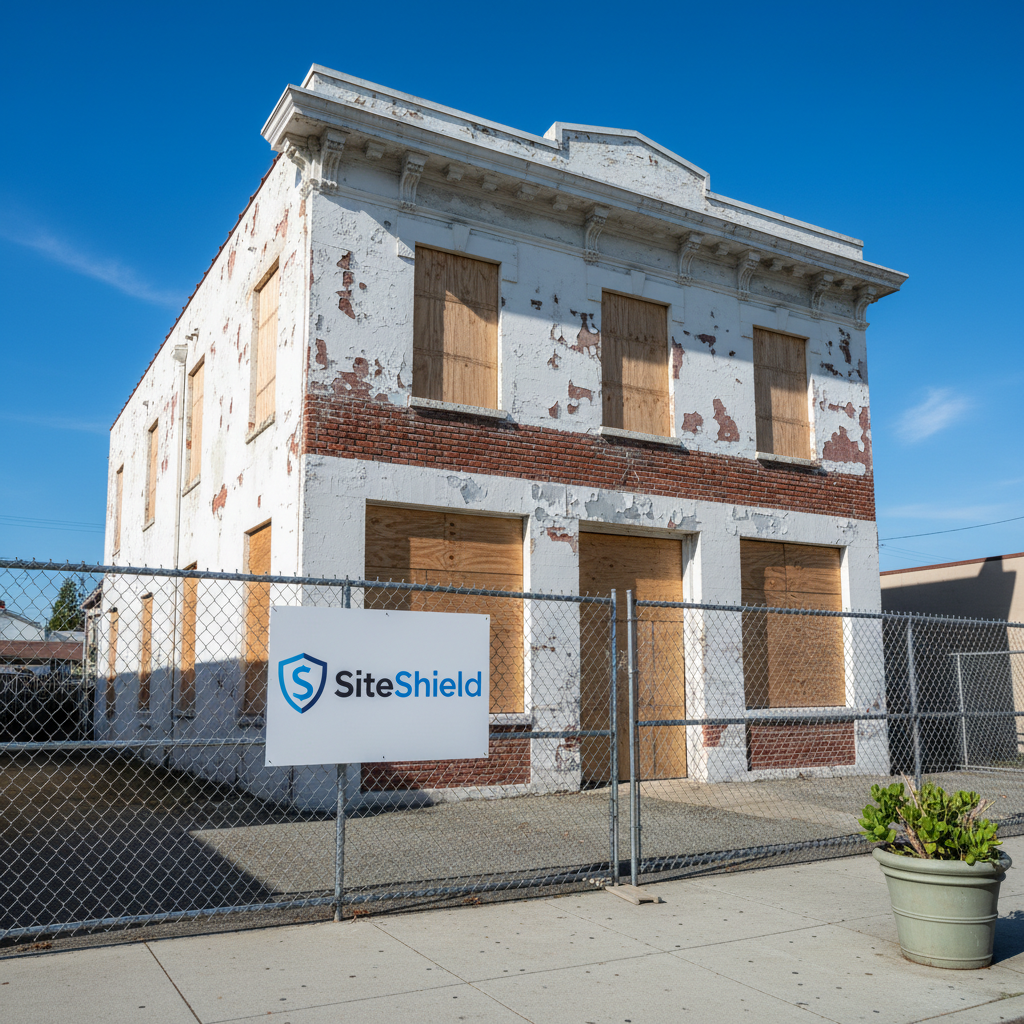
The best way to perform a vacant property board up is to secure all windows and doors with plywood or steel shields to prevent unauthorized entry and vandalism. Property owners should also prioritize thorough cleanouts and regular site inspections to mitigate liability risks and maintain compliance with local California safety regulations.
A vacant property in California can quickly transform from a valuable asset into a significant legal and financial liability if it is left unsecured against trespassers, squatters, or illegal dumping. For owners in regions like Vallejo, the risks of structural damage and local code violations are high, making immediate intervention essential for preserving property value. Securing these sites requires more than a temporary fix; it demands a strategic approach that combines thorough cleaning with professional grade physical barriers. This guide provides a comprehensive roadmap for California property owners, covering everything from the initial debris removal process to advanced board up techniques. You will learn how to avoid common dumpster rental mistakes, secure various entry points effectively, and implement perimeter monitoring strategies that ensure your site remains compliant and protected until it is ready for its next phase of use.
Why Securing a Vacant Property is Critical for California Owners
Owning a vacant property in California, especially within the high-density markets of Vallejo and the greater Bay Area, involves navigating a unique set of liabilities. It is vital to distinguish between a vacant property, which is temporarily unoccupied but remains a managed asset, and one that appears abandoned. An abandoned appearance signals neglect, inviting three primary threats: squatter liability, vandalism or theft, and environmental degradation. A proactive vacant property board up is the most effective way to signal that a property is still under active management.
California's stringent occupant laws mean that once a squatter gains entry, the legal path to removal is often protracted and expensive. Beyond the threat of illegal occupancy, unsecured buildings are prime targets for the theft of copper piping, wiring, and HVAC components. Furthermore, owners must account for the legal doctrine of attractive nuisance. This principle holds property owners liable for injuries sustained by trespassing children if the property contains a dangerous condition that might entice them. Leaving windows and doors unsecured creates exactly this type of liability risk.
Securing the structure also preserves the building from environmental damage, such as water intrusion from broken windows or pest infestations. From a financial perspective, many insurance providers require specific security measures to maintain coverage for unoccupied buildings; demonstrating professional securing of the site can lead to reduced premiums. At SiteShield Fencing & Site Services, we provide comprehensive site solutions that allow owners to protect their investments effectively while complying with local safety standards. Securing the perimeter and the structure immediately ensures the property remains a viable asset rather than a mounting legal burden.
Phase 1: The Cleanout and Debris Removal Process
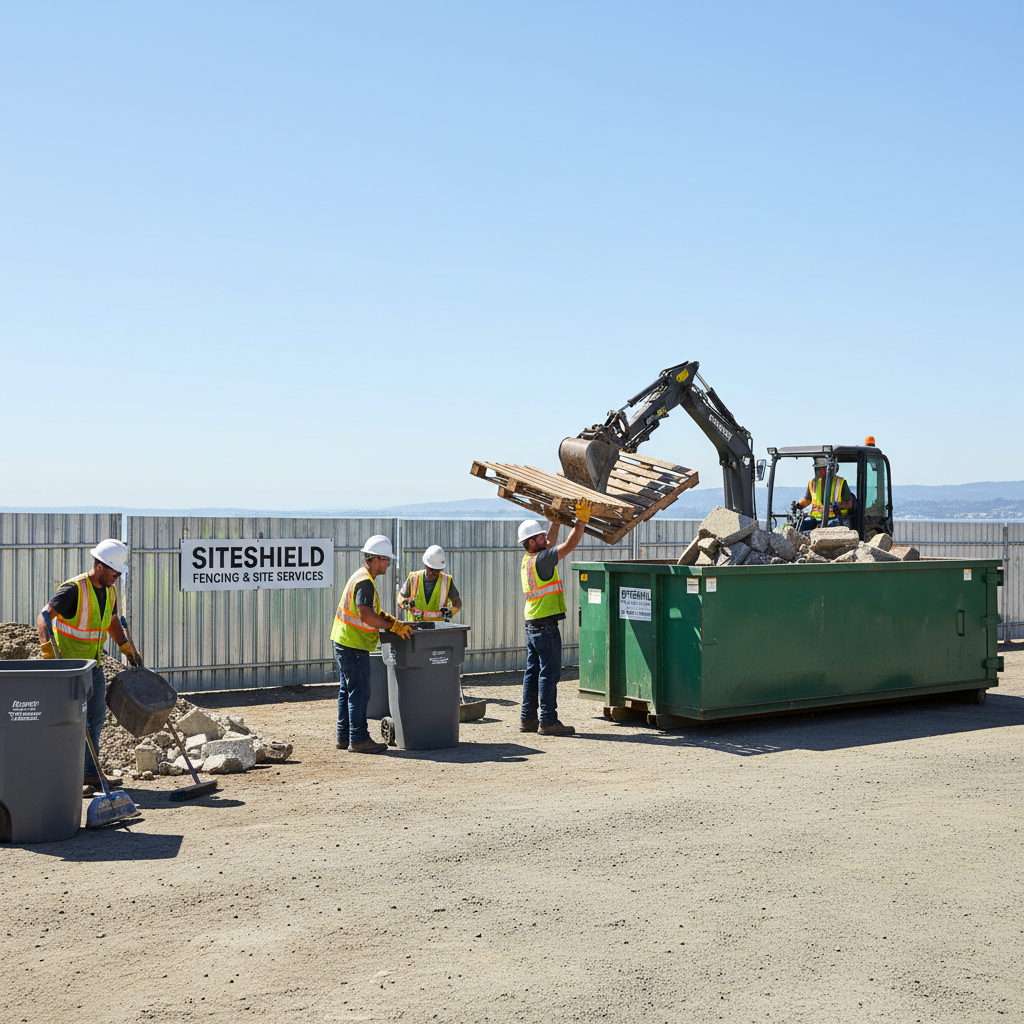
Securing the exterior is only effective if the interior environment is stabilized first. A comprehensive cleanout is the first operational phase, addressing everything from leftover construction materials to intense hoarder scenarios that often plague long-term vacancies. Prioritizing the removal of flammable debris is a critical fire prevention measure. Accumulated papers, old upholstery, and forgotten chemical containers act as fuel for accidental fires or arson, which can quickly spread to neighboring Vallejo properties.
Managing this volume of waste requires strategic planning, particularly when handling heavy or hazardous materials. Utilizing dumpster rentals for cleanouts ensures that debris is contained and removed from the site rather than piled up against the structure, where it creates a secondary fire hazard or serves as a climbing aid for intruders.
Before the final vacant property board up begins, a systematic walkthrough of every room, closet, and crawlspace is mandatory. You must verify that the building is entirely vacant. Sealing an entry point while someone is still inside, whether a squatter or a trespasser, creates a severe safety risk and significant legal liability. This final sweep serves as the definitive transition from a vulnerable site to a secured asset, ensuring that when the plywood or steel goes up, the interior is clean, safe, and truly empty.
Construction Dumpster Rental Mistakes to Avoid During Cleanouts
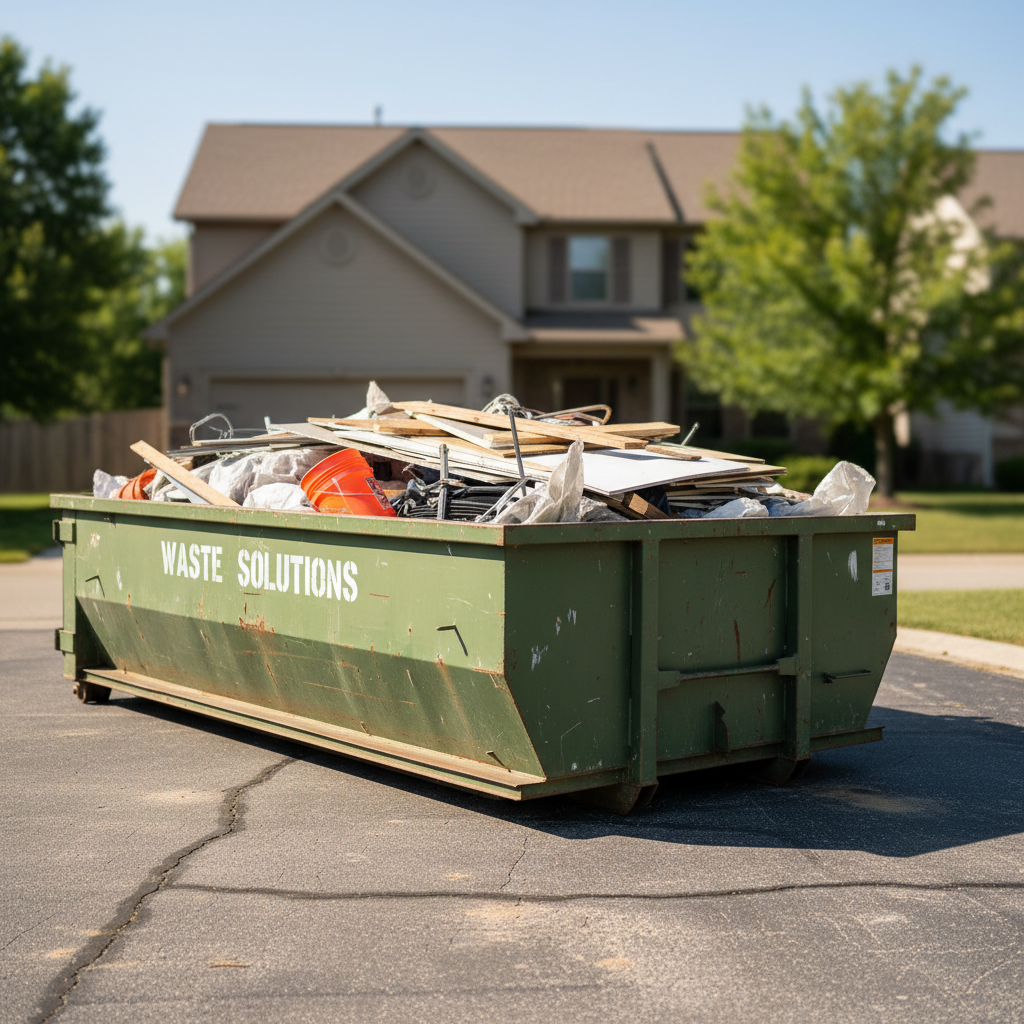
Efficiently clearing a site requires more than just manpower; it requires proper logistics. One of the most frequent errors owners make is underestimating the volume of material inside a neglected building. A 10 yard dumpster might seem sufficient for a standard room, but hoarder conditions or soaked drywall from a roof leak can double the required capacity. Overfilling a container leads to "dry runs" where drivers cannot safely transport the load, resulting in unnecessary fees and project delays.
Weight management is another critical factor. While light furniture is easy to calculate, heavy debris like concrete, tile, or saturated insulation can quickly exceed the legal weight limits of standard bins. If your cleanout involves masonry or roofing, specialized containers are often necessary to prevent the dumpster from becoming too heavy for the truck to lift.
Debris Type | Recommended Bin | Logistical Priority |
|---|---|---|
Household Junk | 10 to 20 Yard | Volume capacity |
Saturated Drywall | 15 to 20 Yard | Weight limits |
Concrete or Tile | 10 Yard Low-Boy | Structural weight limits |
Strategic placement is often overlooked in the rush to start. Placing a dumpster directly in front of a ground floor window or a main entry door prevents the crew from performing a proper vacant property board up on those specific points. Ensure the bin is positioned on a flat, stable surface that allows full access to the structure. Utilizing professional dumpster rentals for cleanouts ensures you have the right size and weight rating for the specific debris profile of your Vallejo property.
Phase 2: Vacant Property Board Up Techniques and Materials
Once the interior is clear and the dumpsters are hauled away, the focus shifts to hardening the building's envelope. A professional vacant property board up must prioritize structural integrity and asset preservation. Instead of driving screws directly into window frames, which causes permanent damage and lowers property value, the tension method is the preferred technical standard. This involves cutting plywood to fit the exterior opening and securing it using interior 2x4 lumber braces and long carriage bolts. When tightened, the compression holds the plywood flush against the casing without a single new hole in the original wood or vinyl trim.
Material specifications are critical for resisting forced entry. Industry standards require 5/8 inch plywood to provide the necessary shear strength to resist prying. Thinner materials like 1/2 inch or OSB are too easily compromised by moisture or basic hand tools. Before any board is placed, all shards of broken glass must be carefully removed and disposed of. This prevents glass from falling into the wall cavity or injuring anyone who might eventually perform the permanent repairs.
Feature | Plywood Board Up | Steel Security Barriers |
|---|---|---|
Primary Use | Short to Medium Term | Long-Term or High-Risk |
Installation | Tension or Carriage Bolts | Specialized Security Hardware |
Durability | Subject to Rot and Warping | Weatherproof and Non-Flammable |
Visibility | Traditional Secured Look | High-Deterrent Appearance |
While plywood is the standard for most Vallejo projects, steel security barriers are superior for assets that will sit vacant for six months or longer. Steel does not rot in the Bay Area fog and provides a significantly higher level of fire resistance. By utilizing comprehensive site solutions that match the material to the anticipated duration of the vacancy, owners ensure the property remains a secured asset until it is ready for renovation or sale.
Securing Different Entry Points: Windows, Doors, and Pet Openings
A successful vacant property board up requires addressing every possible ingress point with specific hardware. While windows are the most obvious vulnerability, doors require significant reinforcement to withstand force. Standard hinges and strike plates should be reinforced with three inch Torx screws that bite deep into the structural wall studs. This prevents the entire frame from being pried away. For the door itself, install horizontal 2x4 braces across the interior to create a physical barricade that remains effective even if the primary lock is compromised.
Oversized windows often exceed the dimensions of a standard 4x8 plywood sheet. In these cases, join multiple sheets by overlapping them on a 2x4 vertical cleat. Secure the cleat with carriage bolts to ensure the seam does not become a flex point for intruders.
Entry Point | Recommended Hardware | Security Priority |
|---|---|---|
Main Doors | 3-inch Torx screws & 2x4 braces | Kick-in resistance |
Oversized Windows | Plywood joined with 2x4 cleats | Seam integrity |
Pet Doors | Carriage bolts & double bracing | Preventing small-entry breaches |
Roof Hatches | Interior lag bolts or padlocks | Preventing vertical access |
Often-overlooked entries like pet doors, roof hatches, and basement vents are high-priority targets for experienced squatters. Pet doors should be sealed with two interior braces and four bolts to prevent the flap from being pushed in. Ensure roof hatches are bolted from the inside and basement vents are covered with heavy-gauge mesh or plywood. These details are essential components of the comprehensive site solutions required to fully harden a property against unauthorized entry.
Phase 3: Perimeter Security and Continuous Monitoring
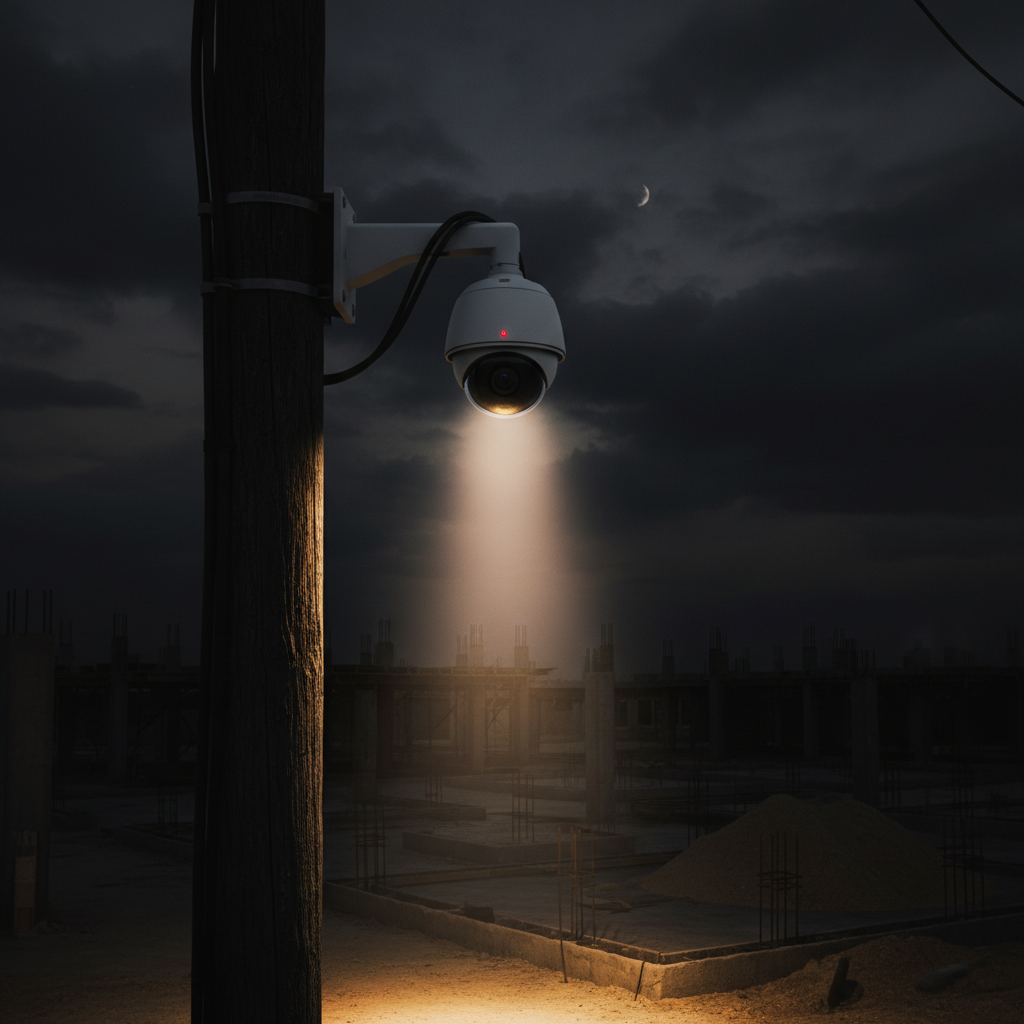
While a professional vacant property board up hardens the structure itself, relying solely on plywood leaves the surrounding land vulnerable. Perimeter control is the next critical layer in a robust security plan. Installing high quality chain link panels through temporary fencing services creates a physical boundary that discourages loitering, graffiti, and illegal dumping on the lot. This fence acts as a primary deterrent, keeping unauthorized individuals at a distance from the building's exterior and making it significantly harder to transport tools or stolen materials across the property line.
Modern property management also necessitates the use of remote surveillance. Solar powered security cameras with cellular connectivity allow owners in Vallejo to monitor the site 24/7 without needing active on site utilities. These tools work in unison to provide comprehensive site solutions that go beyond basic physical barriers. The fencing prevents casual trespassing; the boards prevent visual inspection of interior assets; and the cameras provide the real time alerts and high definition evidence required for police intervention if a breach occurs. This multi tiered approach ensures that even if one layer is tested, the others remain in place to protect the investment from the curb to the core.
Maintenance and Local Compliance in Vallejo
Securing the structure is only the first step; maintaining a "look of occupancy" prevents the building from becoming a target for long term occupation. In Vallejo, municipal codes often require owners to register unoccupied buildings through a vacant property report or registration program. These regulations ensure the city has a local point of contact for emergencies and blight issues. Failing to adhere to these local requirements can lead to administrative citations and significant daily fines.
Physical maintenance must accompany legal compliance. Owners should schedule site inspections at least three times per week to look for specific red flags:
Board Tampering: Check for loosened carriage bolts or prying marks around the edges of the plywood.
Graffiti: Remove tags immediately; graffiti is often a test used by squatters to see if a property is being monitored.
Debris Accumulation: Clear windblown trash or illegal dumping to avoid looking abandoned.
Regularly checking the vacant property board up ensures that any attempted breach is caught before someone establishes residency. Utilizing comprehensive site solutions allows owners to integrate these inspections with professional oversight, ensuring the property remains a secure asset that meets all Vallejo neighborhood standards.
Maintaining a vacant property involves more than just locking the doors; it requires a commitment to safety and regular maintenance to prevent long term damage. By implementing these board up and cleanout strategies, you can protect your investment while staying compliant with California regulations. If you want expert help managing these responsibilities, our team provides comprehensive support tailored to your site requirements. You can view our Services to see how we can assist with securing and cleaning your property professionally.
